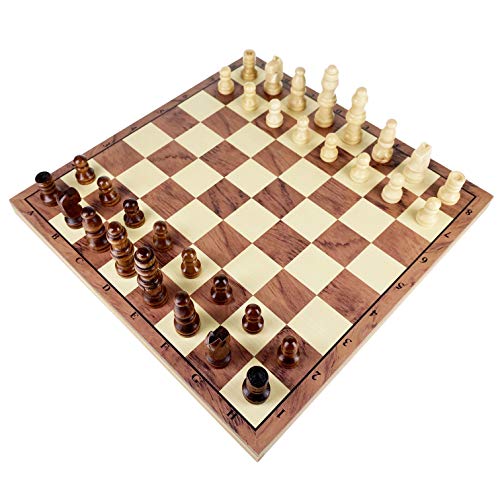
exploring the educational benefits of diverse chess set designs
Chess is not just a game of strategy; it is an art form that can be expressed in numerous designs and styles. As we delve into the various chess set designs available today, we uncover a wealth of educational benefits that can enhance the chess playing experience, especially for learners of all ages. In 2026, as educational methods evolve, the importance of incorporating diverse chess sets has never been more relevant.
The Importance of Aesthetic Appeal
Diverse chess set designs can captivate players’ attention and pique their interest in the game. When players are drawn to a beautifully crafted chess set, they are more likely to engage with the game and invest time in learning its intricacies. This aesthetic appeal can spark curiosity, leading to deeper exploration of chess strategies and tactics. For educators, incorporating visually striking chess sets into lessons can enhance students' focus and participation.
Encouraging Cultural Awareness
Chess sets come in a plethora of styles that reflect various cultural heritages. For instance, a Russian chess set may include intricately designed pieces that mirror historical figures, while an African tribal set might showcase local wildlife or folklore. By exposing players to different designs, they can learn about the culture and history behind each set. This cultural awareness fosters inclusivity and appreciation for diversity, providing an enriching educational experience that extends beyond the chessboard.
People Also Look For:
- Dinosaur Magnetic Chess Game Set,Magnetic Effect Chess Set with 20PCS Dinosaur Stones, 1 String & Portable Storage Bag,Interactive...
- Magnetic Chess Set | Battle Chess with Magnetic Effect,Educational Chess Game Checkers Game, Portable Chess Board Party Supplies f...
- Goliath Games: Classic Chess Set | Traditional Board Games for Kids and Adults | For 2 Players Ages 6+, Black
- ASNEY Magnetic Chess Set, 15 Inches Tournament Staunton Wooden Chess Board Game Set with Crafted Chesspiece for Kids Adult, with E...
- OOCOME Wooden Chess Set for Adults, Portable Folding Magnetic Chess Board Game for Beginners Travel with Portable Storage Board
Developing Critical Thinking Skills
Engaging with diverse chess set designs can also promote critical thinking and problem-solving skills. When players encounter unconventional pieces or arrangements, they are challenged to adapt their strategies and rethink their approach. For example, a thematic chess set might include fantasy characters instead of traditional pieces, encouraging players to envision unique scenarios and develop creative tactics. This flexibility in thinking is a valuable educational tool, helping learners develop resilience and adaptability in problem-solving.
Enhancing Memory Retention
Diverse chess set designs can enhance memory retention through visual distinction. Players often remember the shapes, colours, and themes of unique pieces, which can aid in recalling moves and strategies during gameplay. Educators can leverage this by using themed sets in lesson plans, linking the visual elements to specific tactics or historical contexts. For example, a medieval chess set can serve as a backdrop for lessons on medieval warfare strategies, creating a multi-sensory learning experience.
Fostering Collaboration and Communication
Using diverse chess sets in group settings encourages collaboration and communication among players. When teams work together to understand the nuances of different pieces, they must communicate effectively to devise strategies. This interaction can help develop essential social skills, such as teamwork, negotiation, and verbal reasoning. Teachers can facilitate group activities around chess, using the unique designs to stimulate discussion and collaboration among students.
Encouraging Innovation in Gameplay
The incorporation of diverse chess set designs offers an opportunity for players to innovate their gameplay. Unique pieces may inspire players to create new rules or variations of traditional chess, leading to the development of innovative gameplay styles. This creativity not only makes the learning process more enjoyable but also encourages players to think outside the box, enhancing their overall engagement with the game.
Practical Considerations for Educators
When selecting chess sets for educational purposes, consider choosing designs that are not only visually appealing but also age-appropriate. Look for sets that can withstand frequent use and offer clear distinctions between pieces to avoid confusion. Additionally, incorporating a variety of themes can cater to different interests within the classroom, ensuring that each student finds a connection to the game. To enhance the educational experience, consider pairing the chess sets with curricula that explore the history and strategies of chess. This holistic approach can make learning both fun and meaningful.